

The most reliable way to grow a yoga studio is to deepen what your regulars already have with you, and a teacher training does that better than almost anything else on a timetable. It turns your most committed students into a cohort, gives your studio a second income stream that does not depend on filling one more class, and grows the teachers your schedule will need. This article covers what a training does for a studio, what it costs you in time, and what to plan before you announce one.
I managed four studios in Australia before Yann and I opened Loka Yoga School, so most of this comes from the business side of the front desk. Classes alone kept those studios busy. Trainings are what made them stable.
In short
In this guide

A drop-in and class-pack model has a ceiling. Revenue tracks attendance, attendance tracks season and weather, and the only lever is more classes, which means more teacher pay and more of your own hours. I know teachers who taught 30 classes a week to make ends meet, and I was one of them. It is not a model that lasts.
Growth that holds comes from students who commit for longer: memberships, courses, retreats and trainings. Of these, a teacher training is the deepest commitment a student can make to your studio, and it changes how they relate to it for years afterwards.
It builds a core community. A cohort spends 200 hours together in your space. Those students become the people who arrive early, bring friends and stay after class. Many of them never intend to teach, and they still become your most loyal members.
It adds a second income stream. Tuition arrives in larger blocks, often with deposits months ahead, which smooths the cash flow of a studio that otherwise lives week to week. Price it from your own numbers: tuition, cohort size, teacher pay, venue and materials. Every line item is in the cost to run a yoga teacher training.
It grows your future teachers. Graduates who learned your way of teaching are natural cover teachers and future staff. You stop recruiting strangers and start promoting your own.
It raises your standing. A studio that trains teachers is seen as a place of education, not only a timetable, which helps every other offering you run.
A training is a serious project. You need a lead trainer with the right credentials and experience, a curriculum that meets Yoga Alliance’s standards if you want graduates to register, a schedule that does not swallow your public classes, and enough enrolments to run. Our step-by-step guide to how to create a 200-hour yoga teacher training covers the whole job.
The curriculum is the part that stops most studios. Writing four subject manuals and a class plan for every session takes a year or more, which is why some studios license a tested one instead. Our article on whether to build or buy a yoga teacher training sets out that choice in detail.
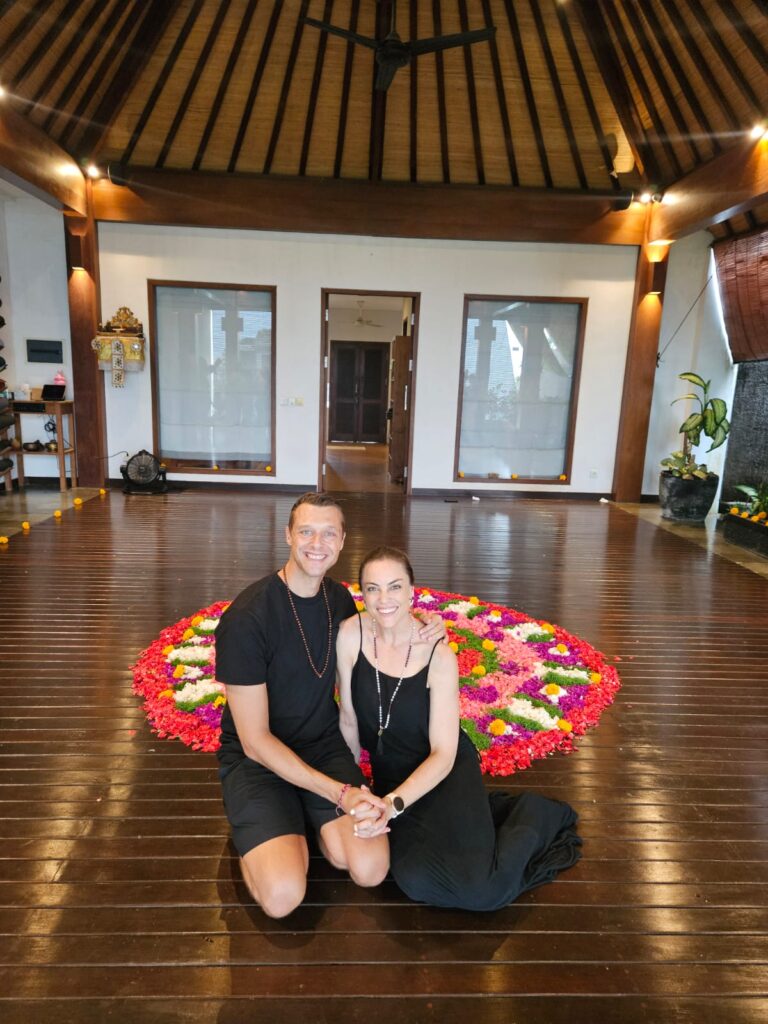
White Label YTT is a done-for-you 200-hour yoga teacher training curriculum, licensed to studios and teachers by Taryn Weggelaar and Yann Cadic, founders of Loka Yoga School in Bali.


Studios that run a smooth first training usually give it about a year from decision to graduation. The first two or three months go into the groundwork: confirming the lead trainer and team, choosing or preparing the curriculum, setting the format and writing the policies.
The next three months are for enrolment. Tell your regulars first, run a free information evening, and open early-bird places with a deposit. Set your minimum numbers before you open, so you know when the training is confirmed.
Then comes delivery. A four-week intensive is over quickly; a weekend format can run across four to six months. Keep an eye on your public timetable during this stretch, because the training team is also your teaching team.
The last step is the one most studios skip: a proper review. Ask the cohort what worked, fix the gaps in the schedule, and set the dates for the second training while the first one is still fresh.
The cohort is the beginning, not the end. Give graduates a reason to stay: a mentoring circle, a first teaching slot on your timetable, continuing education workshops, and an alumni class each month. Ask the best of them to assist on the next training.
Graduates also need honest guidance on what teaching work looks like. Studio pay is usually a flat fee per class or a sliding scale by attendance, and teachers with their own following do well. Loka’s guide on how to make a living as a yoga teacher is a useful thing to share with them.
If a training is on your list for next year, start by looking at what a complete curriculum contains, so you know the size of the job either way. Our package overview lists every manual, class plan and handout.
If you would like to talk through your studio’s timing and format, book a short call. We will be straight with you about whether you are ready.
Move some of your income from single classes to longer commitments: memberships, courses, retreats and a teacher training. A training adds tuition in larger blocks and builds the community that keeps classes full.
Often yes, if you have a qualified lead trainer and enough committed students to fill a first cohort. Many first trainings fill entirely from a studio’s own regulars.
Work it out from your costs: teacher pay, venue time, materials and registration. Set a minimum enrolment that covers those, and only confirm the dates once you reach it.
Not legally, but most students want to register as RYT 200 afterwards, and they can only do that if your school is a Registered Yoga School.
For a Yoga Alliance registered training, the current standards require Lead Trainers to hold E-RYT 500 and to teach at least 150 of the 200 hours. Check the standards before you plan your team, as they are being revised.
Chat with Taryn!