
If you want to build or buy a yoga teacher training, the honest answer depends on three things: how much time you can give to writing, how much control you need over every page, and how soon your community wants a training. This comparison sets out what each path really involves, using our own experience of writing a 200-hour curriculum at Loka Yoga School and then licensing it to other schools.
We have done both. Taryn and I built Loka’s curriculum the slow way, through years of trainings, rewrites and student feedback, and then spent close to a year turning it into a set another school could teach. So this is not a theoretical list. It is what the work looked like from the inside.
In short
In this guide
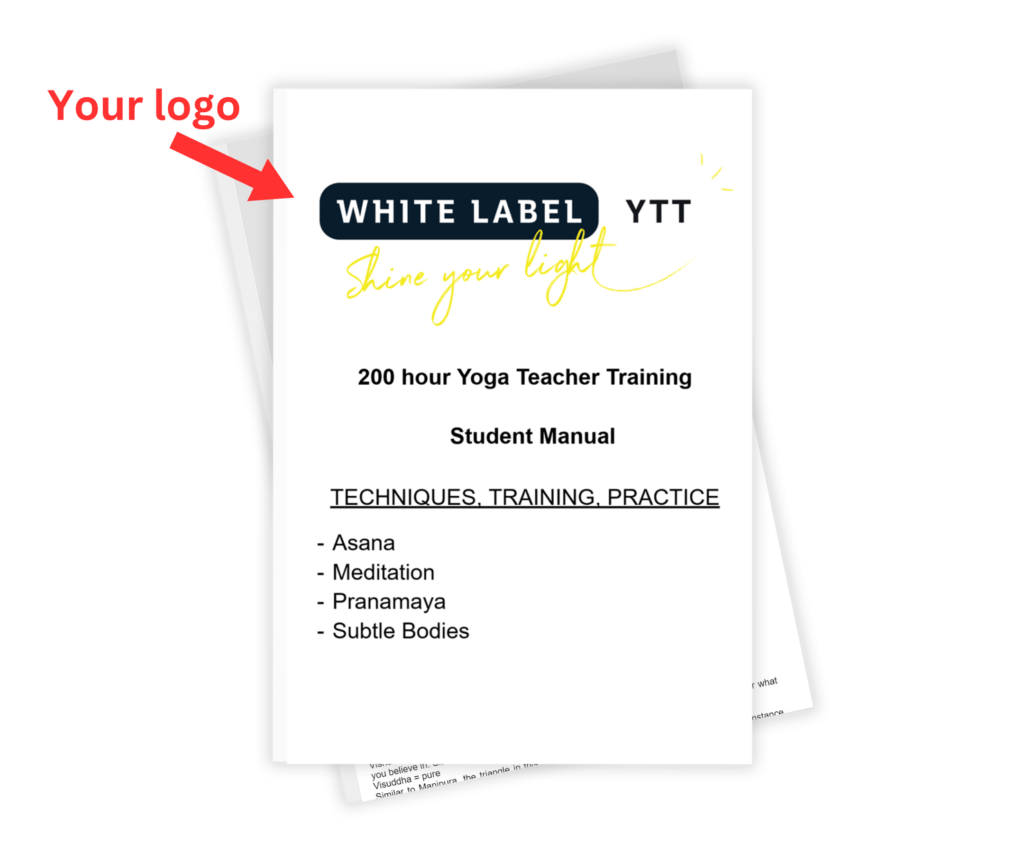
Writing a 200-hour training is not one document. It is a curriculum mapped to Yoga Alliance’s standards, then a manual for each subject area, then a class plan for every session, then assessments, policies, attendance records and a practicum. Most teachers underestimate the class plans; a 200-hour training holds dozens of sessions, and each one needs objectives, timings, cues and activities.
Then comes testing. The first time you teach a new curriculum, you find the gaps: the anatomy lecture that runs 40 minutes over, the philosophy session that lands too early, the assessment that does not actually test what you taught. In our experience it takes several cohorts before a training runs the way you intended.
What you gain is complete authorship. Every page reflects your lineage, your language and your priorities, and you can change anything at any time. Our guide to how to create a 200-hour yoga teacher training goes through every step of that build.
Licensing means starting from a complete, tested set and making it yours: your branding, your schedule, your team, and any workshops or specialities you add on top. The writing is done, so your effort goes into reading the programme properly, preparing your co-teachers and enrolling students.
What you give up is authorship of the core. You are teaching someone else’s structure, at least at first, and some teachers find that uncomfortable. Many schools end up with a hybrid: the licensed core plus their own specialist modules.
Building is measured in years if it is done properly. Researching, writing, editing, designing and formatting four manuals and a full set of class plans is a large project on top of teaching, and it is usually done in evenings and between classes.
Licensing is measured in weeks. With White Label YTT, the branded package is ready within 24 hours of receiving your logo and details. The realistic timeline after that is a few months of reading, team preparation and marketing before your first cohort starts.
We have deliberately not put invented numbers here, because your costs depend on who writes, who edits and what you print. The cost lines are what matter:
Whichever way you go, price your training from your own numbers: tuition, cohort size, teacher pay, venue and printing. We list every line item in the cost to run a yoga teacher training. Our guide to what a white label curriculum includes lists every document, which helps you cost a build line by line.
Registration is the same process for both paths: your school applies, and Yoga Alliance reviews your curriculum and your lead trainer. A licensed curriculum does not register you automatically, and a home-made one is not at a disadvantage if it is mapped carefully.
The difference is the paperwork. Mapping your own course to the standards is slow and easy to get wrong. A curriculum already mapped to the four RYS 200 categories, with ready-to-adapt application text, removes most of that work. The RYS 200 requirements guide lists exactly what the application asks for. Loka’s own Yoga Alliance school profile shows the registered school this curriculum comes from.
Control is the real argument for building. If your training is the expression of a particular lineage or method, writing it yourself may be the only way to get it right.
Quality is the real argument for licensing. A curriculum that has been taught to hundreds of students has been corrected by every one of them. Loka has trained more than 800 graduates, and the manuals you would license are the ones we still teach from. If you want to see the level of detail before deciding, the training sample shows real pages.
Build your own if writing is the point for you, if you have a distinctive method that no existing curriculum captures, and if you can give it a year or more alongside your teaching.
License a curriculum if your community is asking for a training now, if you would rather spend your energy teaching and enrolling than writing, or if you want a tested structure to start from and customise over time. Starting with a licensed core and adding your own modules each year is a perfectly respectable middle way.
Patanjali’s line about practice becoming firm when kept up over a long time, without break and with devotion, applies to curriculum too. Whatever you choose, the training gets good through repetition and honest feedback.
White Label YTT is a done-for-you 200-hour yoga teacher training curriculum, licensed to studios and teachers by Taryn Weggelaar and Yann Cadic, founders of Loka Yoga School in Bali.
Before you commit to either path, write down honest answers to these. They decide the question faster than any comparison table.
The fastest way to make this decision is to compare a real class plan with what you would write yourself. Read the sample, then estimate how long your version would take.
If you want a second opinion on your situation, book a discovery call with Taryn. We will tell you if building your own makes more sense for you.
It depends on your time and goals. Building gives you full authorship but takes a year or more. Licensing a tested curriculum gets you started within weeks and lets you add your own modules later.
Done properly, a year or more alongside teaching: four subject manuals, a class plan for every session, assessments and policies, then several cohorts of refinement.
Yes. Most schools add their own workshops and specialities on top of the core, as long as the final schedule still meets the hours registered with Yoga Alliance.
No. Your school applies and Yoga Alliance decides, based on your curriculum and your lead trainer. A curriculum mapped to the RYS 200 categories makes the application easier, not automatic.
Whether it can be revoked, and whether it adds royalties, renewals, per-student fees or limits on locations. Also check what support is included after delivery.
Chat with Taryn!