
A 200-hour yoga teacher training curriculum that is eligible for Yoga Alliance registration covers four educational categories: Techniques, Training and Practice (75 hours), Anatomy and Physiology (30 hours), Yoga Humanities (30 hours) and Professional Essentials (50 hours). Inside those categories sits a set of named competencies, and a school has to show where each one is taught and how it is assessed.
I teach the anatomy and physiology strand at Loka Yoga School in Bali, and Taryn and I wrote the rest of the curriculum together. This guide sets out what belongs in each category, what the standards expect to see, and the gaps worth checking when you review a syllabus.
In short
In this guide
Yoga Alliance has used a common core for new RYS 200 schools since 2020. It replaced five categories with four, and it lists 12 competencies across them. The hours below are the minimums per category:
That makes 185 hours. The remaining 15 are yours to allocate, and they are where lineage, style and speciality belong. Always check the current standards before you build a schedule, because Yoga Alliance can change them.
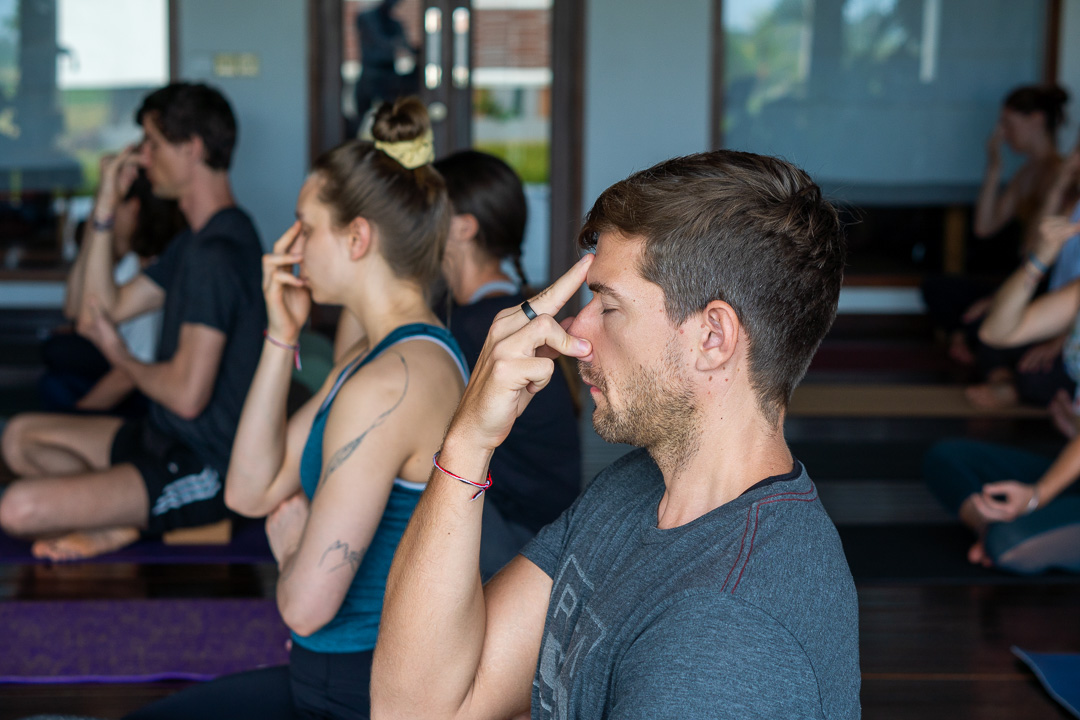
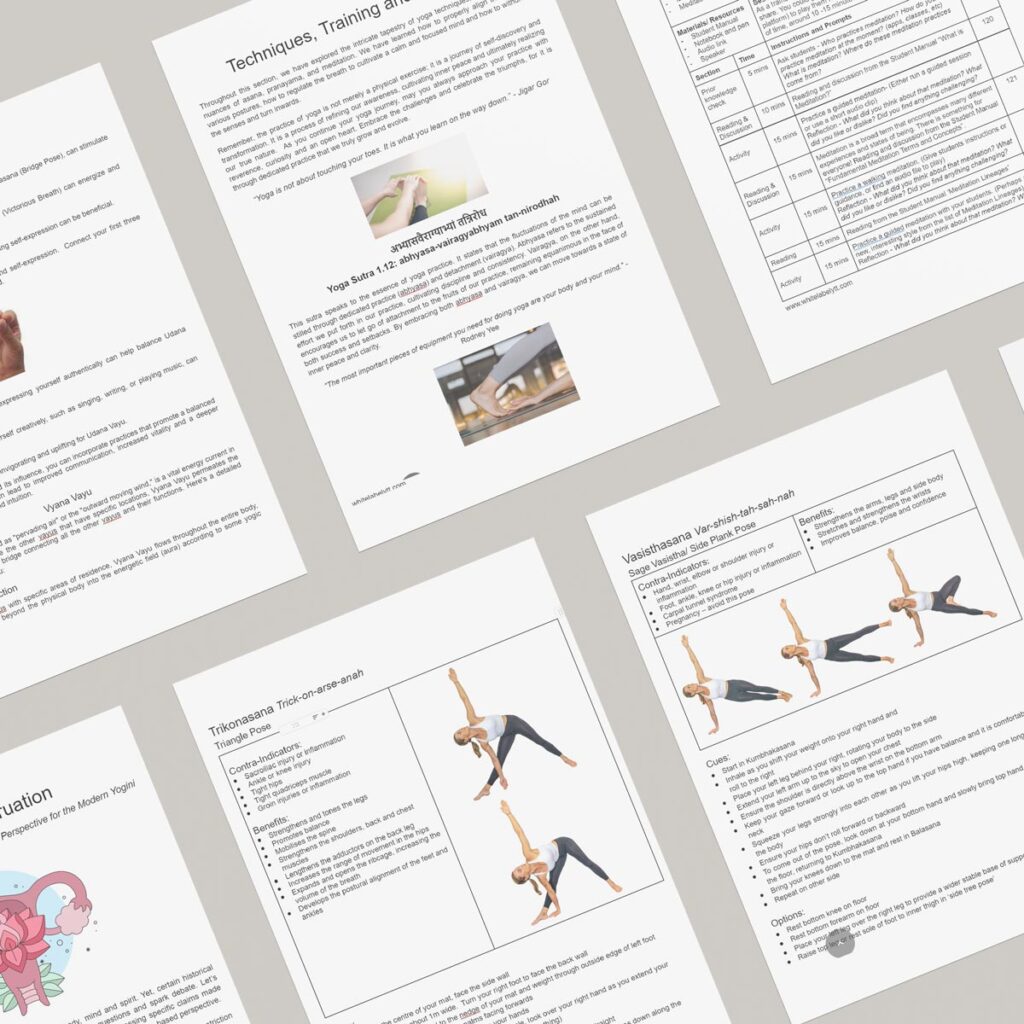
This is the largest category, and it is about doing as well as knowing. It covers asana, meditation, and pranayama with the subtle body, and the standards ask for three things in each: the history, the technique, and safe sequencing.
For asana, trainees learn the poses specific to your lineage, which must include sukhasana and savasana, along with shared anatomical and alignment principles and contraindications. They also learn how to sequence asana, pranayama and meditation together to produce a particular effect safely.
For meditation, expect key terms, the methods your lineage uses, practice of your school’s chosen method, and chanting, mantra and mudra. For pranayama, the standards name ujjayi, nadi shodhana and kapalabhati among others, with alternatives and adaptations, and the foundations of the koshas, kleshas, chakras, nadis and prana vayus.
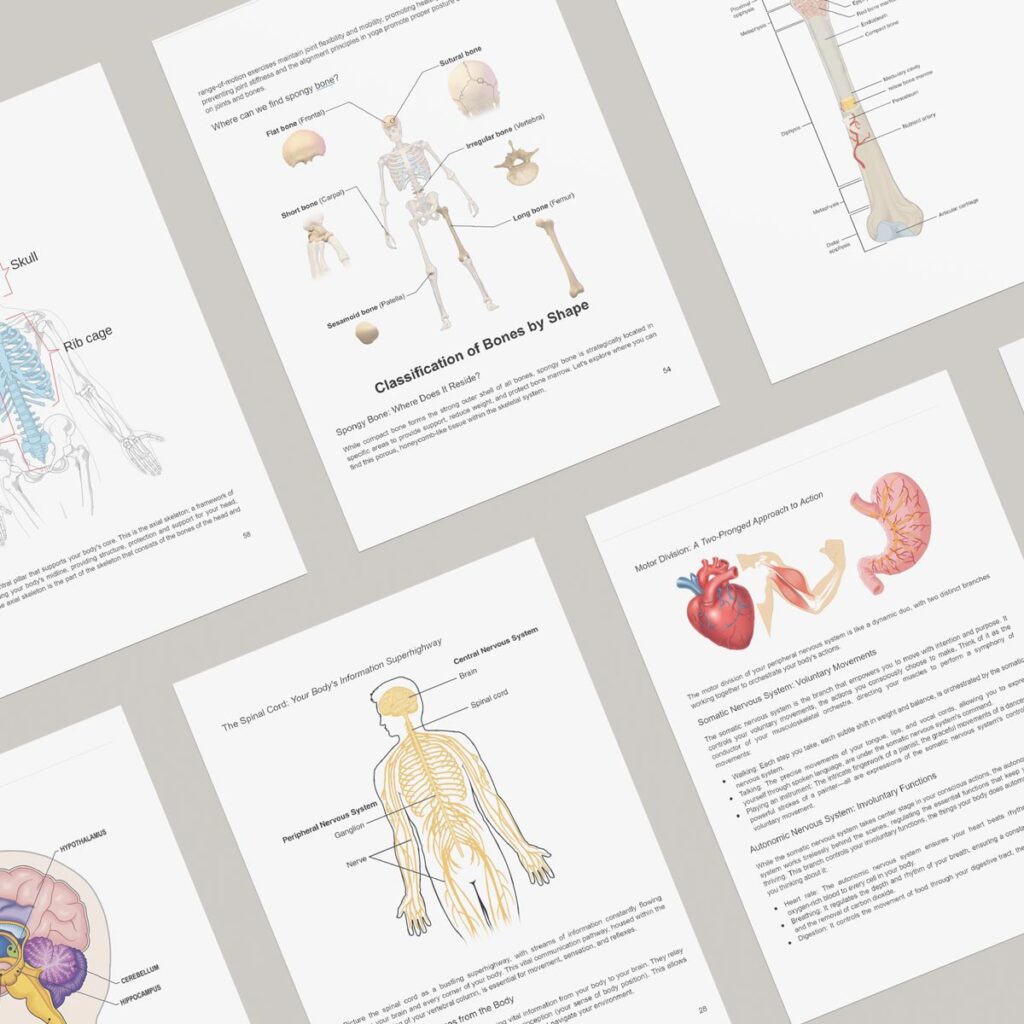
This 30-hour category is where many schools are thinnest, usually because the teacher is expected to cover it without a clear structure. The standards split it into anatomy, physiology and biomechanics.
Anatomy means the major bones and types of joints, the major muscles involved in asana, and the types of muscle contraction. Physiology means the nervous system, including the stress response and the mind-body connection; the cardiovascular, endocrine and digestive systems as they relate to practice; and the respiratory system, including the muscles of breathing and the difference between voluntary and involuntary breath.
Biomechanics covers types of joint movement, joint stabilisation, safe movement, and contraindications, misalignments and adaptations. The test I use is simple: can a trainee explain why a cue works, not just repeat it? If the answer is no, the session was a list of facts.
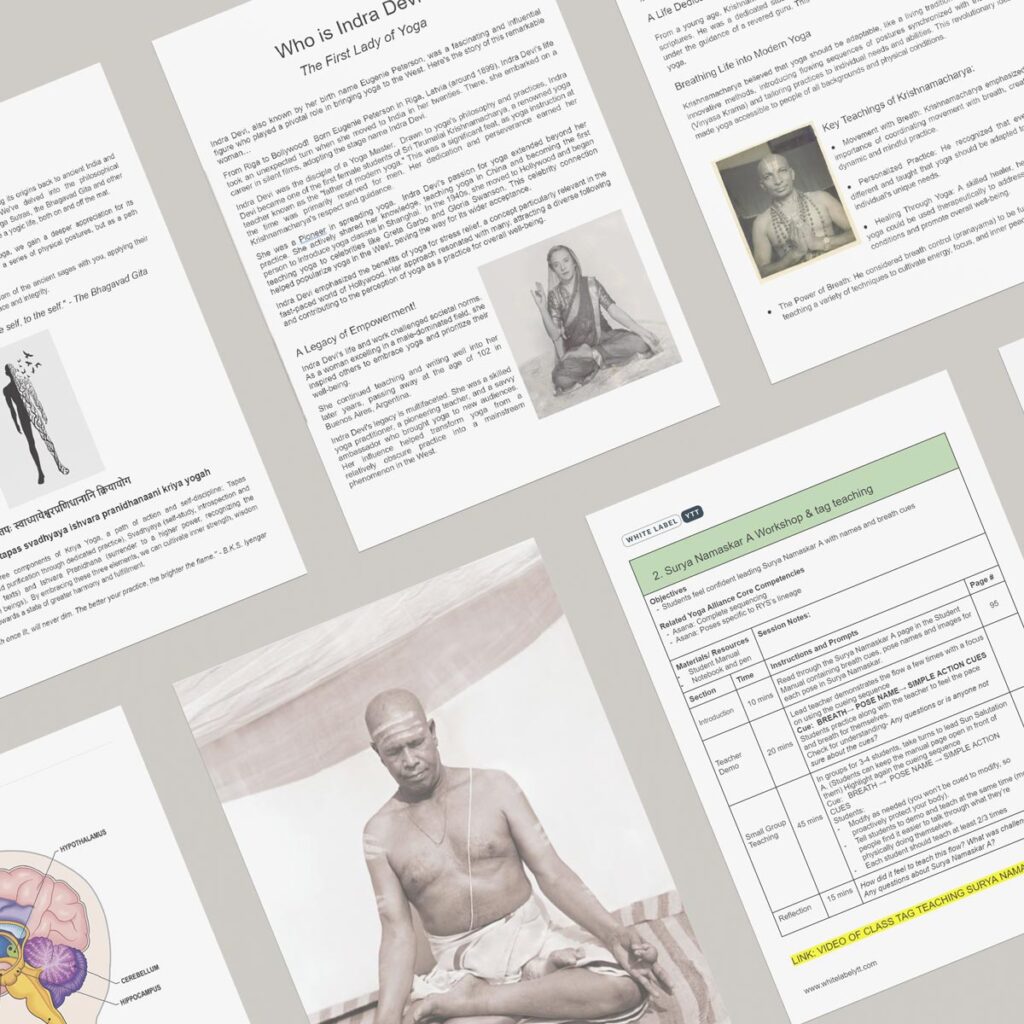
Yoga Humanities covers history, philosophy and ethics. History includes the term “yoga” itself, your school’s lineage and methodology, and the major periods: the Vedas, Vedanta, Hatha, colonial and modern. Philosophy includes a definition of yoga and key terms, familiarity with major texts such as the Yoga Sutras, the Bhagavad Gita, the Upanishads and the Hatha Yoga Pradipika, and structured self-reflection on how philosophy relates to practice.
Ethics is its own strand. It covers the ethical precepts of the Sutras or similar sources, Yoga Alliance’s Ethical Commitment, equity and accessibility in yoga, and accountability measures that promote ethical teaching. Ethics is easy to shrink to a single afternoon. The standards treat it as a competency that needs time and assessment.
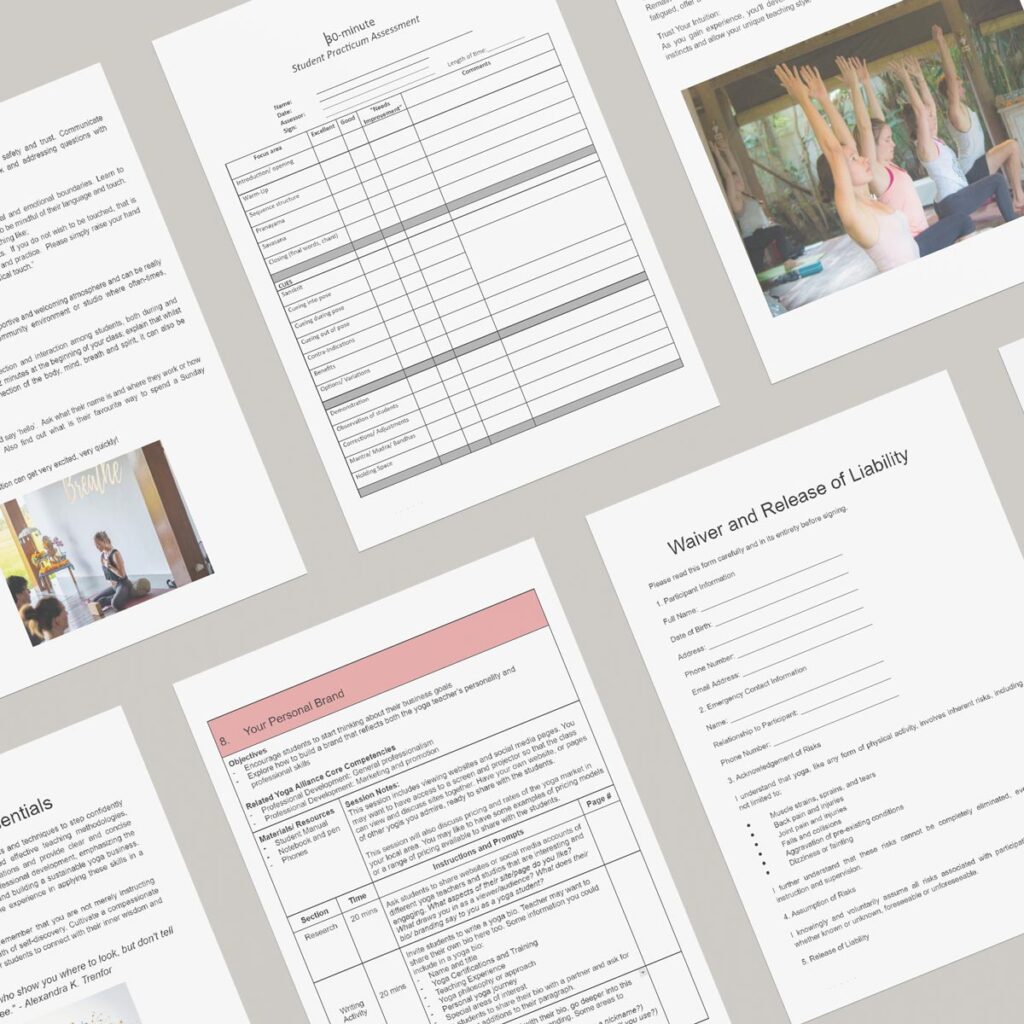
Professional Essentials combines three things that used to be separate: teaching methodology, professional development and the practicum.
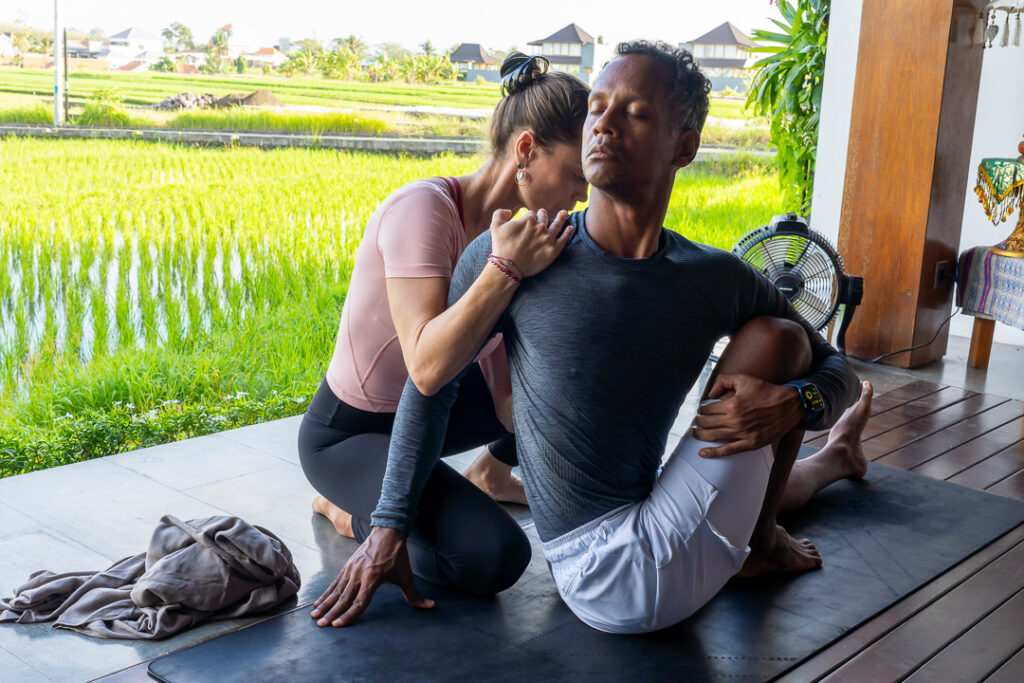
Teaching methodology means sequencing, pace, environment, cueing (verbal, visual and physical) and class management. Professional development means yoga organisations and the Yoga Alliance credentialing process, the Ethical Commitment including scope of practice, continuing education, professionalism, introductory marketing, and the business basics: liability insurance, waivers and invoicing.
The practicum is where trainees show they can teach. The standards ask for opportunities to demonstrate all the competencies, plus a mentorship element that includes feedback. Plan this early, because it needs scheduled time and teachers who can observe.
Yoga Alliance asks schools to explain in the application how they assess trainees in each category. A curriculum that lists topics but not how you check learning will look incomplete to a reviewer, and it will not serve your trainees either.
Build assessment into each category from the start: a short written or oral check, observed practice, and a practicum assessment at the end. The application system also asks for at least half an hour of training per sub-competency, so a map of competencies to sessions doubles as a check on your hours. Our package includes assessment forms for each subject and body system for this reason. If a trainee cannot yet teach safely, the policy should say what happens next.
Read through your draft with these in mind:
The map is the fix for most of these. A simple table that lists each competency, the session where it is taught, the manual chapter and the assessment will show you what is missing in an afternoon. We cover the application side in our guide to the RYS 200 requirements.
A list of topics is not yet a curriculum. You need a student manual and a teacher manual for each category, and a class plan for every session with objectives, timings, cues and activities. That is what takes the time, and it is why many studio owners consider licensing instead. The whole project, from lead trainer to first cohort, is laid out in how to create a 200-hour yoga teacher training, and our comparison of whether to build or buy a yoga teacher training is honest about both routes.
The White Label YTT package gives you four student manuals and four teacher manuals, one for each category, a class plan for every class and workshop, an anatomy, physiology and biomechanics slideshow, and 16 printable handouts. Everything is mapped to the four categories, and branded with your school’s name within 24 hours of receiving your logo. You can see what is in the box on the complete package page.
The curriculum is the one we teach at Loka, a Registered Yoga School on Yoga Alliance since December 2017. If you want to see how it looks from the student’s side, Loka’s 200-hour yoga teacher training page lays out the schedule.
White Label YTT is a done-for-you 200-hour yoga teacher training curriculum, licensed to studios and teachers by Taryn Weggelaar and Yann Cadic, founders of Loka Yoga School in Bali.
The quickest way to test a curriculum, ours or anyone’s, is to read a real manual chapter and a real class plan. Check whether the anatomy goes beyond naming muscles, and whether the practice sessions tell a teacher what to say and when.
Our free training sample includes both, so you can compare the depth against the competencies above. If you would like to talk through your gaps, we are happy to look at your syllabus with you.
Techniques, Training and Practice (asana, meditation, pranayama); Anatomy and Physiology; Yoga Humanities (history, philosophy, ethics); and Professional Essentials (teaching methodology, professional development, practicum).
Yoga Alliance’s RYS 200 standards set the Anatomy and Physiology category at 30 hours, covering anatomy, physiology and biomechanics. Check the current standards before you plan.
For an RYS 200 there are four: Techniques, Training and Practice; Anatomy and Physiology; Yoga Humanities; and Professional Essentials. Schools with 300-hour or 500-hour credentials use a five-category structure.
Yes. Under the RYS 200 standards the practicum sits inside Professional Essentials, and schools must give trainees opportunities to demonstrate all the competencies, with mentorship and feedback.
Yes, within limits. Every required hour must relate directly to the educational categories, so electives such as a speciality or a lineage focus should fit inside them.
The standards do not require a particular format, but schools usually write one manual per category plus a class plan for each session, because the application asks you to describe what is taught.
Chat with Taryn!